Friday, August 1, 2025

The P-word


The European Commission set new limits for the use of nitrites and nitrates as food additives in 2008.  These chemicals are intended to protect against the growth of pathogenic bacteria such as Listeria, Salmonella, and Clostridium botulinum, while the EU limits are aimed at reducing exposure to nitrosamines.  We have long used nitrate and nitrite as preservatives in curing meat.  Nitrate and nitrite are permitted for use in foods in many countries such as Mainland China, the United States, the European Union, Canada, Australia and New Zealand.  The concern is that nitrate can be converted into nitrite in the gut and then form N-nitroso compounds such as nitrosamines, which may cause cancer in humans, though evidence as to whether nitrate or nitrite per se in food can cause cancer in humans is inadequate or limited.  We need to be very careful before branding food additives as causing human disease - we can find naturally occurring nitrates and nitrates in water and vegetables, especially in leafy and root vegetables such as lettuce, beets, celery, carrots, and more.  
There is a group of people who regard preservatives as being unhealthy and added by unscrupulous manufacturers.  They want their food to be “all-natural, with minimal processing and no chemicals”.  Apart from the fact that this description is meaningless, it got me thinking about additives and specifically preservatives.

As a first step in preparing this post, I followed standard research principles and surveyed the packaged foods in our kitchen cupboard and read all the ingredient labels - a challenge in itself for anyone with less than 20:20 vision.  It came as something of a surprise to find that few of the foods contained anything that I would regard as unnecessary in the food type.  Sure, there were acidity regulators and anti-caking agents, salt and the occasional antioxidant, natural colours and flavours, while some of the wines declared sulphur dioxide, but very few specific mentions of the dreaded preservatives.  A list of permitted additives can be found on the New Zealand Government food safety website.  [1]

From the microbiologist’s point of view, preservatives are added to prevent the growth of pathogens or spoilage organisms during the shelf life, reducing loss and increasing food safety.  Acidulants, organic acids and parabens have all been used, but ‘natural alternatives’ are being increasingly used.  Many leafy and root vegetables contain nitrate and nitrite and it is estimated that around 80% of the nitrates and nitrites we consume are naturally occurring from the plants we eat.  Nitrite may be formed by reduction of nitrate by bacteria in the food.

While I was at Hong Kong University, I co-supervised a PhD student who was studying the use of extracts of traditional Chinese herbs as food preservatives.  Several of the papers that came out of that work have been my most heavily cited, and it is clear that there is great interest in these natural chemicals in the preservation of meats and dairy products.  However, the potential for reliance on extracts may be limited because of source availability, and synthetic nature-identical versions of the active components may be necessary if natural preservatives are to be used extensively. 

Of course, manufacturers will often use chemical additives in conjunction with other preservation processes, such as refrigeration, freeze-drying or UV irradiation.  Boiling and addition of sugar, followed by sealing in airtight jars and packages, kills bacteria and prevents their regrowth and recontamination.  Canned foods are processed for long-term shelf stability and if the food is “low acid” i.e. with a pH greater than 4.5 and thus able to support the germination and growth of Clostridium botulinum spores, the heat process is designed to reduce the spore count by a factor of 10^12, resulting in a sterile product that will keep for years, provided that the can remains sealed.

[1]  Identifying Food Additives.  ISBN No.: 978-1-99-004303-1 Online). https://www.mpi.govt.nz/dmsdocument/3433/direct


Wednesday, July 30, 2025

Germ Warfare


I’m sure that many people yearn for the glamorous life of the food microbiologist leading the war against microorganisms - yeah, right!  Perhaps those people visualise the microbiologist surrounded by modern laboratory equipment, such as PCR machines and gene sequencers, but the sad fact is that what is portrayed in films and television just isn’t reality.  It might be the case in forensic work or pathogen testing, but in the food industry, much of the work involves monotonous sampling and plate counting.

This is because there is a constant battle between food manufacturers and the microorganisms that can cause spoilage or food poisoning.  Food safety is assessed in relation to counts of specific bacteria, yeasts and moulds.  The International Commission on Specifications for Foods was formed in 1962 and wrote Microbiology of Foods Volume 2: Food Commodities in 1980.   This was updated in 1996 (1).  Our Microbiological Reference Criteria for Food were published by the Ministry of Health and Version 2 appeared in 1995.  The Reference Criteria are expressed in the ICMSF format as a guide to indicate when food can be considered unacceptable or unsafe.  

The result is that many food microbiologists and technicians spend a large part of their working day conducting plate counts on foods.  This is particularly so in the dairy industry, though large laboratories such as these may use automation for plating, such as spiral platers, robotic sample diluters, and image analysis for counting.  This is, of course, very expensive and involves a lot of plastic that probably cannot be recycled. Modern devices, such as the flow cytometer - a machine that counts particular cell types flowing through a tube by reflection of laser beams, reduces the usage of disposable plastics.  Against this background, it is disappointing that food-borne infections continue unabated in the USA, UK and Europe.  

Of course, some food microbiologists do lead an interesting life.  These are the Special Agents investigating food contamination, poisoning and spoilage.  While it might be argued that there is nothing new under the Sun, each case is different - human error, mechanical breakdown, packaging failures and poor equipment design may all figure in the systematic examination, leading to an understanding of what has gone wrong and a suggested solution.  Investigation often involves looking closely at the process and interviewing operators.  Access to a suitable microbiological testing laboratory is often essential in identifying the problem.

Looking back over many years as a consultant microbiologist, I can think of lots of investigations where the explanation was a surprise: 

A dried vegetable processing operation in which the product had spikes of contamination.  On this occasion, I was fortunate to see the problem immediately.  The vegetables passed through a steam blancher which was located under a cold air trunking.  Steam condensed on the trunking, which was covered in a thick black tarry layer, and every so often, condensate would fall onto the vegetables being conveyed to the drier.  A factory design fault.

Staphylococcus aureus contamination of canned product.  This was not a low acid food and therefore was not subject to a 12-D process.  The immediate suggestion was that the cans were leaking during cooling, sucking in cooling water.  However, it was found that the cans were dump loaded into a lidded vessel and hot water was introduced and held for the duration of the process schedule.  With a temperature above 75oC for a suitable time, the Staphylococci should have been destroyed.  We eventually discovered that the vessel was overloaded and some of the cans were above the water level, so did not receive the scheduled process.

In a small pie shop, minced meat for pie filling was cooked on a stove in large pans of about 35 L capacity, which were then put into a chiller to cool.  On occasion, the pies spoiled after the growth of Clostridial spores activated by the heating.  I found that the pans of meat took over 48 hours for the centre to cool to about 12oC.  The solution was simple - put the filling into shallow trays for cooling.

 Listeria monocytogenes was found in sliced meat.  The slicer was a standard design, but was very difficult to clean properly and dried meat residue was found in the transfer mechanism.  The slicer was mounted on a stainless steel table, and the whole area was meticulously cleaned.  However, the table surface was heavily scratched and two feet mounting spikes penetrated the stainless steel.  Unfortunately, the stainless steel was only a couple of millimetres thick and was laid on Medium Density Fibreboard (MDF).  The result was that the MDF got wet every time the table was cleaned and became colonised by L. monocytogenes.

These examples show that those working in processing facilities may be essentially blind to potential failures and a fresh set of eyes with appropriate experience may recognise the problems quickly. 


References

1.  ICMSF. (1996) Microoganisms in Foods 6:  Microbial Ecology of Food Commodities.
2.  Ministry of Health (1995)  Food Administration Manual S. 11: Microbiological Criteria

Friday, June 6, 2025

Still want to drink raw milk?

 I hesitate to post this and it may offend some readers, but the message is, in my opinion, entirely valid.  And, hey, we microbiologists have to have a little fun every now and again.

https://youtube.com/shorts/CuSwN2CYylQ?si=DYigRj0-nNJ2Kcu1


To those who followed this yesterday, I'm sorry that the link was wrong.  This one should direct you to the intended short vid. 

Sunday, March 30, 2025

Germ of a new food microbiology

 Think of a food microbiologist you know.  I’m guessing that you now have in mind someone wearing a white laboratory coat, surrounded by food samples, Petri dishes and agar slopes, using an inoculating loop and making smears on microscope slides.  This might be accurate in most cases.

In the 80s, I read an article entitled “Germ of a New Food Microbiology”.  The author’s argument was that the so-called “Standard Plate Count” gives us less information on food safety than just about any other analysis.  There is no indication of how the microbial population will perform in the hands of the consumer;  the SPC is anything but total - many of the bacteria in the sample may not be able to grow on the count medium or at the incubation conditions; single cells and clumps will both be counted as one cell; if we use selective media to count specific types of bacteria, perhaps pathogens, they may not grow if they have been stressed during processing or storage; sample preparation, incubation and transfer to selective media may involve several days, meaning that the count may be obtained only after a significant proportion of the shelf life is over.  We also get no information on how the consumer might react after eating the food

The situation hasn’t changed very much.  Any modern analytical technique still has to be able to correlate with the plate count because of the way food safety is measured..  

The development of rapid microbiological methods now has a long history.
In many cases, the development has involved reducing the number of steps in the process, automating manipulative procedures and reducing the scale of operations to reduce costs.

Many so-called ‘rapid methods’ will give a result within hours of being set up.  However, they may involve significant technician time.

Modern methods often involve molecular techniques, particularly the polymerase chain reaction (PCR) and sequencing.  PCR relies on the ability of DNA polymerase to replicate a portion of a DNA molecule, using specific primers that bind to complementary strands of the target DNA.  The laboratory process usually involves a thermal cycler.  The replication of regions between the primer binding sites results in an exponential amplification of the target, so that within a few hours, millions of copies are produced.  

Recent developments have enabled real-time detection of the products by means of fluorescent reporter molecules that bind to the amplified products.  The progress of the amplification can be followed by monitoring the increase in fluorescence as the number of cycles increases.  The larger the number of target molecules in the sample, the fewer numbers of cycles are required to reach a detection threshold, so the number of cycles required indicates the level of contamination of the sample.

Though the PCR technique can detect a single molecule of DNA, there are some hurdles to overcome.  If we are looking to detect numbers of bacteria in the range <3 cfu/g to 10^2 cfu/g  either large samples or enrichment of the samples is required.  However, if we want to retain the relationship between the initial numbers in the food sample and enumeration by PCR, enrichment cannot be used.  In addition, the food matrix itself may interfere with the replication process.   

Taking this a step further, we can now analyse the population in particular parts of the processing equipment, using small portable real-time sequencers that allow microbiome-based monitoring of surfaces within the plant.  In turn, this may enable the identification of sources of the contamination and allow timely intervention by suitable control measures.

In order to get away from assessment of food safety based on plate counts, we need to formulate microbiological reference criteria based on these new methods and introduce them to our microbiological food standards.

The material presented here represents a great simplification of the techniques involved.  If the article has inspired you to seek further information, you will find hundreds of explanatory articles on the Internet - just search for RT-qPCR, and Microbiome-based environmental monitoring etc.

Friday, July 21, 2023

More on antibiotic resistant bacteria in natural waters and wild-harvested foods.

I wrote an article on 05/12/2012 about our isolation of antibiotic-resistant genes in bacteria in water and in stream and river muds, comparing pristine waters with polluted ones along a stretch of a river in the Waikato region of New Zealand.

I recently read another article by Jack Heinemann and Sophie Joy van Hamelsveld from University of Canterbury in Stuff:  https://www.stuff.co.nz/pou-tiaki/300930926/antibioticresistant-bacteria-in-wild-cockles-and-watercress-putting-people-at-risk-of-serious-illness.  It's worth a read.


The article raises yet another concern about antibiotic resistance.  The testing of water for recreational use does not guarantee that mahinga kai, wild-harvested foods, such as shellfish, are safe to eat.  Shellfish can concentrate bacteria from the water to high levels, even when the tested water appears to be safe.

Wednesday, February 15, 2023

Is the food still safe to eat?

 For the past few days, New Zealand has suffered from high winds and extensive flooding as a result of Cyclone Gabrielle, which in some coastal areas has coincided with high tides.  Many areas have been without power for extended periods and thousands of people have had to leave their homes, in some cases being rescued from the roofs of their houses.

I was interviewed by a radio journalist who wanted to ask questions about the safety of food and water. Any food that has been contaminated by the flood waters is, of course, not fit to eat.  But what of foods that were in refrigerators and freezers?

This is a difficult question to answer.  If the power has been off for a few hours and the refrigerator has not been opened, the food will probably be safe to eat, however, some areas are not likely to have power restored for several days.  Some foods, such as yoghurt are naturally preserved by their acid content and will be shelf-stable even at room temperature for a few days.  Hard cheeses will also be safe.  Similarly, milk in sealed bottles will be OK for a couple of days.  Vegetables are also shelf-stable for several days at room temperature, provided that they have not been in the water.  Eggs have their shells to protect the contents, but it would be worth washing the shells to prevent contamination of the contents when they are cracked open.  Perhaps a good guide is to think of supermarket displays - if the food such as fruit, potatoes, tomatoes and cabbages is sold from open counters, it can reasonably be expected to last for several days.

The big concern will be fish and meat.  If the frozen food has thawed out completely, it may still be safe to eat if it is thoroughly cooked.  if the food still has ice crystals in it, refreezing is possible.  Beef and pork steaks are essentially sterile inside, so it is only necessary to cook the outside, remembering to cook the edges too.  Fish is normally sold in fillets, so again, frying or barbecuing will render it safe, however, the food cannot be stored for another few days before consumption.  I would be more concerned about chicken, which is always difficult to cook throughout because of the uneven thickness of drumsticks etc.  In all cases, the critical thing is to get the temperature of the food above about 75C throughout.  This will kill all vegetative (non-sporulated) bacterial cells.  If a thermometer is used, it must be clean and inserted into the thickest part of the food.  More care is required with minced meat.  During the mincing operation, the outside of the meat is mixed in with the interior portions, so thorough cooking is required - medium-rare hamburgers are out! 

Another, though not infallible guide is to look at the food and smell it - if it smells off, then don't eat it.  Things like bacon sometimes become a bit slimy as a result of bacterial growth on the surface.  If it is fried properly, it will be safe to eat, but may have off-flavours.

Of course, canned foods are safe, provided that there are no holes in the can. Similarly, sealed packages of snack foods, such as 'chippies' will be OK to eat and may make the kids feel a bit happier.  It is a good idea always to have a supply of canned foods in the cupboard so that they are available in emergency situations like ours.

Another major concern is water.  Some water treatment plants have been out of action for a couple of days as a result of power outages and some watersheds may have been swamped by flood waters.  A number of water supply authorities have said that the tap water is safe to drink.  However, if there is any doubt about its safety, it should be boiled.  I was asked about water for making up baby formula.  In that situation, I would always recommend using boiled water.  Rural households often collect water from the house roof and store it in large tanks.  In my opinion, this water will be safe, provided that the roof and tanks have not been inundated, but once again, if there is any doubt and the power is on, it should be boiled.

All of these questions will become more relevant when people are allowed to return to their dwellings. There may be a temptation to try to salvage food from refrigerators and cupboards.  If there is any doubt, the safest thing to do is to dump it, as food poisoning will put even more stress on health services at this time.

Our next concern will be resupply.  Many roads are impassable, leaving some towns completely cut off.  Supermarkets are very short on stock, even if they have power to operate the tills.  Foods may be in short supply for a while, but in addition, orchards and vegetable farms have been severely damaged, so shortages will continue for months.  There may be more reliance on imports.

Odd Spot:  if the cyclone were not enough to challenge the population, we also had a magnitude 6.3 earthquake yesterday.  It was centred about 50km NE of Paraparaumu in the North Island, so it was under the sea.  There have been no reports of injuries or damage, but it's something we could all have done without!

Friday, June 10, 2022

Will in vitro meat be the new SCP?

 In the 1960s, several companies began development of Single Cell Protein (SCP) as a protein source for human and animal feed.  SCP refers to protein produced by microorganisms, such as bacteria, yeasts and unicellular algae.  This was not a new concept and can be traced back at least as far as 1936.

My first job was as a fermentation experimental officer at ICI in the UK, helping to develop the ICI Single Cell Protein Process.  Several other companies were developing SCP for human and animal consumption.  ICI intended to produce 1m te/yr by the 1990s; Shell was working on producing SCP as a by-product of gas oil dewaxing.  Several other processes were based on mycoprotein from Fusarium sp.- ‘Quorn’, and algae.  These projects involved very significant effort and investment; it has been estimated that by 1983, the main players had invested in R&D a staggering $US 2.9 x 10⁸ in today’s terms.


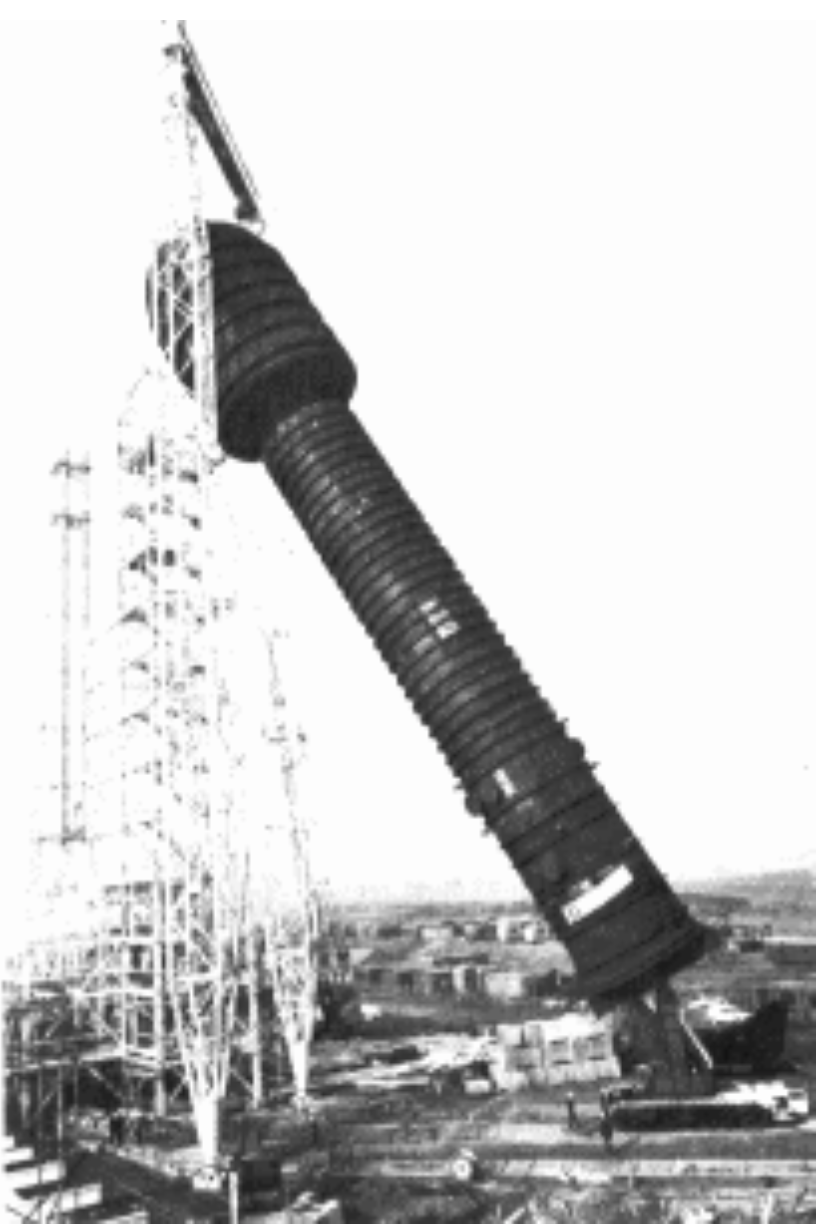
Image shows the ICI production fermenter for SCP.  60m tall with a capacity of 3,000m3.   I do not own the copyright of this image.

The new processes were beset with problems.  Bacterial cells contain relatively large amounts of RNA, which can result in gout and kidney stones in consumers, as purines increase plasma uric acid, so RNA reduction was required.  Some products had undesirable taste, and considerable downstream processing was required to produce acceptable texture and mouthfeel. Consumer acceptance of food made from bacteria was also difficult to achieve.  However, one of the greatest hurdles was the scale of operation required and the resulting cost of the product.  Most of these processes, while being technological marvels, were not commercially successful.  In fact,  as far as I am aware, the only product now on the market is Quorn.


Against this background, we see in vitro meat (IVM) or cultured meat, being developed as a sustainable food.   It is also referred to as ‘Lab-grown meat’, illustrated by lumps of tissue apparently grown in Petri dishes, though this is perhaps somewhat misleading, as the scale of operation to produce sufficient product to be economically viable would require a facility similar in size to a modern dairy plant. To produce IVM, stem cells are collected from living animals and cultured in a reactor, using suitable culture media, which must be made up of food-grade components.  Typically, vitamins, antibiotics, growth factors, such as calf serum, horse serum and chicken embryo extract are included, (though I have seen a recent report stating that calf serum is not necessary). The stem cells will differentiate into muscle cells under the influence of certain hormones.  Obviously, strict sterility must be maintained, or contaminating bacteria will grow in the highly nutritious medium.  The developing cells will require a supply of oxygen, carbon dioxide will be produced in the metabolic processes, and heat will have to be removed.


Merely getting the muscle cells to grow is only part of the process - Since consumers want something that resembles  meat as closely as possible, some form of three-dimensional scaffolding is usually required for the cells to fuse together to form organised tissues.


For many people, the decision to purchase IVM will come down to taste, texture, appearance and cost.  Estimates suggest that IVM will be twice the price of farmed meat.   I saw recently a report that a burger pattie could cost around $11.35  I will be happy to eat IVM, but not if the product costs a lot more than my favourite grass-fed beef fillet steak.


Thursday, July 8, 2021

Got the munchies?

 Hands up anyone who, at any time during their lifetime, has scraped the cake mixing bowl and eaten the residues, or eaten raw cookie dough.  Yes, I see a lot of you with your hands up!  In a survey by Ardent Mills, Minnesota, 73% of respondents admitted to eating raw homemade cookie dough and 57% allowed children to lick the bowl and spoon after mixing cakes, while 65% admitted to eating store-bought cookie dough without cooking.  In a 2009 outbreak of Escherichia coli O157 food poisoning in 30 U.S. states, 77 patients, mostly young females contracted the illness and 35 were hospitalised.  A common factor revealed in the investigation was consumption of commercial raw cookie dough produced in a single plant.  As a result, 3.6 million packages of ready-to-bake cookie dough were recalled.


I used to beg my Mum not to use a spatula to scrape all the mixture from the bowl.  Mum didn’t know much about food safety; she had no formal training and over the years had learned how to bake.  Many younger people are probably in the same boat.  Most of us know that you can possibly pick up Salmonella food poisoning from eating undercooked eggs or chicken, and that the foods likely to give you food poisoning include leafy greens and sprouts, raw shellfish and raw milk, though the latter usually ignites a flame war if you publish comments.

So if you are asked why you should not eat raw cookie dough, what will you say is the risk?  Salmonella in the uncooked eggs, right?  What about the flour?   In 2016, ten million pounds of raw flour were recalled owing to contamination with Escherichia coli.  That year, the U.S. FDA and Centres for Disease Control and Prevention investigated infections by E.coli O121 occurring across the country.  Some serotypes of this bacterium can produce Shiga toxins.  A great deal is now known about Shiga toxins, but for our purposes here, we can say that ingestion of the toxin results in abdominal pain and watery diarrhoea, but may also cause haemorrhagic colitis, which is far more serious.  

The April 23 edition of Morbidity and Mortality Weekly Report discussed multi-state outbreaks of E. coli O26:H11 infections linked to raw flour in 2019. The investigators initially thought that ground beef was the source of the infection - patients interviewed reported eating ground beef and leafy greens.  However, by the use of modern microbiological analytical techniques - Pulsed Field Gel Electrophoresis and Core Genome Multilocus Sequence Typing - they were able to show  that the STEC O26:H11 isolates were different from those strains that had caused the ground beef illnesses in 2018.

How does flour, which is dry and doesn’t support bacterial growth, come to be involved in E. coli food poisoning transmitted in raw cookie dough?  Wheat flour is grown outdoors and may be contaminated from soil or birds and animals.  Cattle and deer have no cell receptors for Shiga toxin, so may carry the toxigenic bacteria without ill effect.  The milling process generally doesn’t include a lethal process step, so E. coli and Salmonella can survive into the finished product.  These vegetative cells are killed during cooking, but may be present in raw dough and cake batter.

Heat treatment of flour has been used in the past to destroy pathogens, but is expensive and has a negative impact on the properties of gluten, potentially making the flour unsuitable for baking.  Various other treatments have been proposed, including cold plasma, electron beam and gamma irradiation, but these methods may meet with consumer resistance.

A company based in Ontario, Canada has recently developed an organic, non-thermal treatment for flour that is a liquid added at the tempering stage of milling.  However, as far as I am aware, this treatment is not yet used in commercial flour production.

What about making home-made raw cookie dough safe?  It is extraordinarily difficult to find information on how to pasteurise raw flour at home to make raw cookie dough treats.  One blogger has described home pasteurisation of flour, using a 1200 watt microwave oven to heat the flour to 71C with a 55 second treatment.  She based this treatment on advice from FDA and I estimate that the flour receives an F0 of around 4.  

FDA is now pushing the message “Don’t eat any raw cookie dough, cake mix, batter, or any other raw dough or batter product that is supposed to be cooked or baked” and “Follow package directions for cooking products containing flour at proper temperatures and for specified times”.
Indeed, some packages of flour in US now have a label warning consumers to “Cook before sneaking a taste”.

Still want to risk it?

Subscriber e-mails discontinued

 If you have been receiving e-mail notification of new posts on this blog, you need to be aware that recently, the FeedBurner team released a system update announcement that the email subscription service will be discontinued in July 2021. 

 The blog will still exist and you can search earlier posts, but you will not be notified of new ones.

This is not under my control, but I apologist for any inconvenience or irritation that this causes you. 

Please consider bookmarking this blog and check it occasionally

Regards,  John

Thursday, November 12, 2020

Hello Fresh fish causes food poisoning in New Zealand

 At least three people have been treated in hospital for scombroid poisoning after eating Trevally from a meal kit supplied by Hello Fresh.

Histidine in the fish tissue can be converted to histamine by histidine decarboxylase, found in Escherichia coli, Morganella morganii, Proteus, Pseudomonas and Klebsiella species, which may occur naturally in the gills, skin and gut.  If the fish is not properly handled after being caught and during transport and distribution, allowing the temperature to rise for an extended period, these bacteria can grow and produce sufficient histamine to cause an allergic reaction in the consumer.  

Scombroid poisoning was originally named because Scombridae fish naturally contain higher levels of histidine.  The range of symptoms varies, but includes nausea, headaches, vomiting and diarrhoea and possibly itching and a burning sensation in the lips.

Unfortunately, the fish may not appear to be spoiled and the enzyme remains active even after the bacteria have been killed,  continuing to produce histamine under cold storage.  Activity can  resume when frozen fish is thawed.  Histamine cannot be destroyed by cooking, so control of storage temperature is essential throughout the food chain.

Friday, September 4, 2020

Nothing new under the Sun

 Sorry!  That was a click bait title.  However, as far as food poisoning goes, there really is very little that is new - the same old suspects keep turning up.

I've written about Clostridium botulinum before (and you can find those posts by searching the labels).  It has now caused food poisoning in Vietnam, this time in Minh Chay pate products, which have all been recalled.  The outbreak is reported in Food Safety News.  The article includes a photograph of the product, which is packed in screw capped jars and possibly cans.

The Department of Food Safety, Ministry of Health, inspected the premises and found 'sanitary issues' with cleaning and drainage.  The factory was instructed to cease production until the problems were fixed.

There is insufficient information in the article to make definitive pronouncements on the causes of the contamination, but some reasonable arguments can be made.  C. botulinum releases a toxin when it sporulates, and for this it must grow.  Since the bacterium is anaerobic, it requires the absence of oxygen.  It appears, therefore, that the pate was contaminated during manufacture, possibly from the unclean factory environment, and the organism then grew in the sealed containers.  The article doesn't state whether the product was hot-filled, or heat processed in the containers.  In the former scenario, the spores of C. botulinum could germinate and grow in the product, eventually leading to toxin production.  If the containers were heat processed after filling, it is possible that contaminated cooling water leaked into the containers through faulty seams or seals.

The toxin binds in the nerve synapses and prevents the secretion of acetyl choline, thus preventing nerve impulse transmission.  This usually causes respiratory paralysis, so patients need support to breathe.

Interestingly, if you search for 'Botulin toxin' on-line, the first five hits refer to Botox, the cosmetic treatment to reduce frown lines and crows' feet.  Food poisoning is mentioned almost as an afterthought.

https://microbewiki.kenyon.edu/images/9/95/Screen_Shot_2014-04-21_at_9.23.54_PM.png


Thursday, August 27, 2020

Infection transmission

 The COVID-19 pandemic should have got us all thinking about infection transmission and control.  Yet, the virus continues to spread.

I remember the pretty much the first laboratory class we did in Microbiology 101 was a demonstration of how infection transfers within a community.  There were 24 students in the class.

First, everyone wiped their hands with a paper tissue, one of which had been contaminated with a bacterial culture.  This organism was Serratia marcescens, which produces a bright red pigment when grown under the right conditions.  A sequence grid was set up, so that everyone shook hands with one other class member and then plated their hand onto an agar plate.

The second round of hand shakes was then undertaken with different class members, without first washing our hands, and, again, hands were plated.  This sequence continued until, by the end, everyone had shaken hands with about 10 classmates and plated their hands.

The plates were incubated, and a couple of days later were examined for the presence of the bright red colonies.  Scoring the positives against the sequence grid, it was very obvious how the infection had spread throughout the class.  Not everyone became infected initially, but the infection spread exponentially and after six rounds, everyone in the class was positive.

How is this relevant to COVID-19 spread?  This virus is supposedly spread predominantly by droplet inhalation.  However, an individual may become infected by touching their face with infected hands or perhaps by rubbing their eyes.  The virus, like the Serratia, might be picked up on the hands from surfaces like door handles, wash basin surrounds, pens, or from shaking hands with a carrier etc.  "OK, I don't touch my face and eyes".  Are you sure?  I used to lecture to classes of up to 130 students and occasionally counted how many were touching their face at any one time.  (Yes, I know, I had put half of them to sleep and their heads were in their hands).  Up to 60% of the class touched their faces and noses and eyes.  A similar surreptitious survey found that up to 30% of students left the toilets without washing their hands!

The take-home message here is - "Wash and sanitise your hands regularly - many times a day; avoid hand shaking and kissing 😞 and if you are sick, STAY HOME.  In fact, if you don't have to mix with people, stay away from them."  Like in our first year experiment, there was no indication that any particular person was carrying the infection until two days later when the test results were available.

Update:  As of today, 10th July 2021, we have seen over 4 million people die of COVID-19 around the world and it is now obvious that the primary route of transmission is by inhalation of virus particles.  Mask wearing significantly reduces the spread of the virus by trapping droplets and by wearing a mask, you are protecting others.  In countries where people still gather together in crowds, the virus is spreading very fast and the delta variant, which is highly infectious, is ripping through the population.

If you are reading this update and you have the option, please GET VACCINATED, both for your own safety and the protection of your friends and family.

Saturday, July 25, 2020

Should we switch to plant-based proteins?

While New Zealand was in lockdown, I had ample opportunity to think about life, the universe and everything.  Specifically, I was thinking about plant-based protein as human food.  Recently, meals at home have exposed me a variety of new dishes and some of these were plant-based.  I’m setting out these thoughts in the hope that they will stimulate conversation between readers.

First, there is a strong drive from some members of the community to change from eating animal proteins to eating plant-based protein meals.  Some of this is a concern for the welfare of animals and some is ideological.  Probably the primary driver is health, but the second driver is sustainability and environmental concerns around our planet and its long term health.  Is it really more healthy to eat only plant proteins?  Is it truly better for the environment?  There is concern that rivers and waterways are being polluted by our raising of animals for meat and milk, but will the production of plant proteins result in greater use of fertiliser and hence increase runoff?  Methane emissions will decrease, but growth of legumes may ultimately result in increased nitrate leeching. Of course, traditional farming mixed plants and animals - the vegetables etc. were grown on land fertilised by animal manure, but if we no longer raise animals, that cycle will be eliminated. 

What is the point of trying to reproduce the taste, appearance and texture of products such as burgers, but using plant proteins?  Really, that is just a sop to confirmed meat eaters.  As I understand it, The Impossible Burger is more expensive to produce than the meal it is trying to emulate.  Is there going to be resistance to the use of colours and flavours to simulate animal products?  The key ingredient that gives the Impossible Burger its meaty taste and makes it bleed like meat when cut is soy leghemoglobin, derived from genetically engineered yeast.  Production of the yeast by fermentation requires inputs of industrially manufactured, chemically synthesised ingredients.  The safety of these inputs will be subject to regulatory approval and their use will not be universally accepted.  Ikea is introducing a non-meat version of its traditional Swedish meatball  and claims that conversion of about 20 per cent of its meatball sales to plant balls would mean around 8 per cent reduction of the climate footprint for the food business at Ikea.  Meanwhile, KFC has announced that it is collaborating with 3-D Bioprinting Solutions to develop chicken nuggets made with cultured chicken cells and plant material.  The thinking of food technologists and new product developers is way ahead of the general population.

We all require iron in our diets, young or pregnant women particularly.  The recommended daily allowance for vegetarians is 1.8 times higher than for people who eat meat. This is because heme iron from meat is more bioavailable than non-heme iron from plant-based foods, and meat, poultry, and seafood increase the absorption of non-heme iron. This is just one aspect of changing from eating animal protein to exclusively plant-based protein.  There is any amount of information on the Internet regarding iron requirements and sources, but caution is required before believing everything!

I really have no answers for these questions, but I think that the proponents of moving to an exclusive plant protein diet haven’t thought it through.  Here are some questions that I’d like answered:

Does New Zealand have sufficient agricultural land to produce all the plant protein we need to feed the population, assuming that we all move to consuming it?  Much of our farming is on hill country.  This is not suitable for crop production.

Will the energy inputs for food production increase or decrease?  We will need diesel to harvest the crops and energy to dry some of the products.  With the shutdown of the Tiwai Point Aluminium smelter, there may be an opportunity to divert some of the surplus electricity to processing of plant proteins, but will that be enough or even practical?

What of our exports?  In 2019, dairy, eggs and honey earned NZ$16.3 billion and accounted for 27.9% of total exports, while meat earned NZ$8.03 billion - 13.9% of total exports.  If meat and dairy were no longer produced here, that would be a loss of nearly 42% of our exports.  In the current post COVID-19 era, it would be hard to replace those contributions.

Saturday, April 11, 2020

Safe Food in Lockdown

Are you tired of reading and hearing about COVID-19 yet?  Are you totally confined to your home, or are you an essential service worker?  How have things changed for you?

My on-line news service provides the ten top items each day as links.  For the last two weeks, nine out of the ten have been about COVID-19 and mostly they provide depressing reading.  I'm not going to rehash all that.

New Zealand, where I live, has closed its borders. 

The majority of shops are closed, so our food shopping is mostly confined to visits to the supermarket, which may involve long queues and limited numbers of people in the building at any time, so the on-line ordering and collection option is popular. The 2-metre separation rule is now being followed by most people.

How does this affect our eating habits?  Well, restaurants and fast food joints are closed, so we are all preparing many more meals at home from what we have on hand.  This may involve substitution of ingredients, or complete change of menu at short notice.  Not everyone is used to cooking meals at home and there may be a few disasters! 

Do we need to worry about contracting the virus from our food?  The best information I have is that this is a respiratory infection and you can't pick it up from food.  Since it is a virus, it can't replicate in stored food, so the only concern is with contamination of the packaging.  Survival time on surfaces seems to vary, but studies by CDC, researchers at various universities and FDA indicate that the survival time varies from a few hours to about three days, but it is important to remember that the AMOUNT of virus remaining may be as low as 0.01% of the original contamination.  It is unlikely that you can contract the virus from food packaging, but it's a good idea to wipe the packaging down with a 1:48 dilution of household 6% bleach, (5mL 6% bleach into 240mL water) or just leave the packages unopened for a few days.

So, do we need to change our cooking and eating habits?  Essentially, I think the answer is "No" but we do need to be very careful.  Nobody wants to waste food, so it's likely that leftovers will be stored for future use.  We don't want to burden our hospitals with food poisoning cases.  Here are a few tips:

Keep leftovers refrigerated and reheat to at least 75C - use a thermometer
Wash your hands thoroughly and frequently
Don't touch your face
Ensure that food is cooked properly (as you would normally) 
Be very wary of cross contamination of raw and cooked food
Stay home; don't pop down to the corner store just to pick up a bottle of milk - plan your shopping.

Just a couple of final points:
The experts now think that the wearing of masks available to the general public is not going to protect you from infection.  Don't forget that the virus is tiny and if you get it in your eyes, it will run down your tear ducts into your nasal passages and can initiate an infection

I am now washing my hands more thoroughly and frequently than when I was working with green lipped mussels deliberately infected with high levels of Salmonella!

Saturday, August 17, 2019

Can this be real?


It's amazing how a throwaway line can be picked up and takes on a life of its own.  A New Zealand botanist referred to a lichen, Xanthoparmelia scabrosa, as "Sexy Pavement Lichen" because it contains a PDE5 inhibitor.  See https://www.ncbi.nlm.nih.gov/pmc/articles/PMC3083877/

It appears that powdered X. scabrosa is being sold on-line as a Viagra alternative.  It has even been reported that people are actually licking sidewalks!  This is probably not a smart way to obtain a potential erectile disfuntion medication, as the inhibitor is not the same thing as Viagra and is also somewhat toxic, not to mention the contamination of the lichen from vehicle exhaust, dust and grit etc.

According to Tom Hale, writing for IFLScience, the US FDA analysed a sample of the powder bought on-line and found it consisted of 80% Viagra and 20% grass clippings (really?)


Thursday, July 25, 2019

Listeria in smoked salmon - again.

The Department of Health in Australia is investigating three separate cases of Listeriosis apparently associated with smoked salmon.  There have been two deaths and one

This is not a reason to stop eating smoked salmon, or even cause for a massive recall.  There is a couple of things we all need to know.

Firstly, no specific smoked salmon product has been recalled.

Secondly, the three cases were in three different states and occurred over the period 22nd February to 7th June.  i.e. they were well separated both in location and time.

Thirdly, and probably most importantly, all three patients were over 70 years old and had other health conditions that may have predisposed them to infection by Listeria.

This is a reminder that people who may be susceptible to listeriosis should avoid foods that are known to carry higher risk of infection.

See:  https://foodsafetywithjaybee.blogspot.com/2011/01/listeria-hysteria.html  and search the blog using keyword Listeria.


Tuesday, July 9, 2019

A caffeine fix too far

This post is a little different from many of my articles, which have been predominantly about food microbiology.

The Sydney Morning Herald is reporting the death of a young man who dosed his protein shake with caffeine powder.  


Saturday, June 22, 2019

Mussels unsafe if eaten raw

Many people in New Zealand like to eat shellfish, such as mussels, raw.  The Ministry of Health and New Zealand Food Safety Authority (Te Pou Oranga Kai O Aotearoa) has warned consumers NOT to eat fresh mussels harvested commercially in Coromandel, an area of the North Island, without cooking them to at least 65C.

The culprit for the current food poisonings is probably Vibrio parahaemolyticus, a bacterium found in marine, coastal and tidal waters, and most commonly causes gastroenteritis.  It is not normally spread person to person, though poor personal hygiene, such as failure to wash hands after handling raw shellfish, could result in infections.

Symptoms usually occur within 24 hours of eating the infected food and include
  • watery diarrhoea (occasionally bloody diarrhoea)
  • abdominal cramps
  • nausea
  • vomiting
  • fever
  • headache.

Image from Pathogen Profile Dictionary
https://www.ppdictionary.com/bacteria/gnbac/parahemolyticus.htm

There is a feeling among some experts that Vibrio parahaemolyticus entered New Zealand in imported fish or shellfish.  Cross contamination in the markets then allowed its spread.

Wednesday, May 1, 2019

Helpful Guide to Food Safety and Kitchen Clean-up - guest column

As most readers know, I normally don't post comments that contain links to commercial sites.  I get quite of lot of these, and in most cases, the writers are just trying to get clicks on their own sites.

However, occasionally a message comes along with useful information.   I received an invitation recently to publish a guide to food safety and kitchen clean-up.  This came from Cleaning Building Services New York.


A Guide to Food Safety and Kitchen Clean Up


An essential part of preparing a meal is making sure to use the proper food safety techniques. Without proper safety protocols your food can become contaminated and pass along foodborne illnesses to whomever eats or comes in contact with it. The Centers for Disease Control and Prevention (CDC) states that 48 million Americans become sick from foodborne illnesses each year. Of those 48 million people, 128,000 are so sick that they need to be hospitalized, and 3,000 people even die from the foodborne illness. To prevent foodborne illness from happening to you or your family, it is important to practice food safety protocols while handling, preparing, and storing all of your meals.

Cleaning Up the Kitchen

Keeping your kitchen clean is an important step in food safety. After each meal, it is important to clean and sanitize all surfaces where food was prepared or handled. All surfaces should be washed thoroughly with hot water and soap. For a deeper clean the surfaces can even be washed with a diluted chemical mixture of 1 tablespoon bleach and one gallon of water. All cooking appliances used when preparing the meal should also be washed thoroughly inside and out. An important step that most people tend to forget about is cleaning out your refrigerator. You should be going through your refrigerator once a week to discard any expired items to prevent growing bacteria. Vegetables and Fruits should also be rinsed under water before being consumed to get rid of any pesticide residue. You should always clean your hands thoroughly after touching any raw meats or fish as well, this will help prevent transporting harmful bacteria.

Know Your Temps

Foodborne Illness is caused by harmful bacteria, some of the most common being Escherichia coli, Salmonella, and Staphylococcus. This harmful bacteria can be consumed by eating undercooked foods and can be prevented by making sure all food is being cooked to their accurate internal temperatures. This can be done by using a kitchen thermometer. Checking the internal temperature is especially important when preparing foods like meats, fish, poultry, and eggs. Before preparing a new recipe, be sure to research what temperatures your ingredients should be kept at to avoid them being in a danger zone for the harmful bacteria.

Food Organization

When buying food at the grocery store, look for broken seals and damaged containers before putting them in the cart. Also, be sure to check expiration or sell by dates to only purchase fresh and safe to eat foods. When cashing out in the register line, be sure that your meat or fish is packaged separately to avoid juices spreading onto your other foods. Separation is key when storing your foods away at home as well. You should always store raw meat or seafood below any other foods in your refrigerator and place them in plastic bags to avoid contamination. If possible, use different cutting boards and other cooking utensils for meats or fish and veggies. If not, be sure to clean them thoroughly in between each use. Doing this will lessen the chances of leftover bacteria being transported from your raw meats or fish to your cut veggies and fruits.
Other material from this source will appear on this blog from time to time.

Declaration:  Safe Food Blog does not endorse Cleaning Building Services, not does it have any pecuniary interest in the company.

Thursday, December 27, 2018

McDonald's screen of death. I remain unsurprised.

A recent post from IFLScience.com claims that microbiologists from London Metropolitan University conducted swabbing on touch screens in McDonald's restaurants in London and Birmingham, finding coliforms, Bacillus and Listeria.  They also found Staphylococcus, Pseudomonas, Enterococcus faecalis and Klebsiella.

All of these bacteria are capably of causing infections, and you will find some discussion of these bacteria on this blog site - see labels.

But should we be surprised and should customers at McDonald's be concerned?  Well, I am not at all suprised.  If a microbiologist conducts swabbing in any public place, such as a supermarket, they will find all of these bacteria, perhaps on trolley handles, push plates on doors, in the toilets etc.  As for the customers, if they are concerned, they could order their meal on the touch screen, then wash their hands, or use a hand sanitiser.  Be honest - if you go to any fast food joint after you have been shopping in the mall, do you always wash your hands before you eat?

The original research was done for Metro (see https://metro.co.uk/2018/11/28/poo-found-on-every-mcdonalds-touchscreen-tested-8178486/).   Not surprisingly, when this post was published on FaceBook, there were 1.2 thousand comments and nearly a thousand shares.  My personal opinion is that this article was written and published for shock value and to boost circulation.  Interestingly, a video clip posted on this same site showed that the majority of customers were not surprised by the findings and would still go and purchase food there.

Whatever you think of McDonald's or any other fast food outlet, in my opinion, the researchers are making a mountain out of a molehill, and IFLScience is making it worse.  Don't pick on just one fast food chain, and think about how you protect yourself and your family from infection.

And while you are at it, think about a similar scenario in your own home.

Food for thought:  How do you recognise the microbiologists around you?  They are the people who use their little fingers or elbows to open doors, use a paper towel to turn the taps off in a public washbasin, use a knuckle on the touch screen and who often use hand sanitiser before eating in public.